A Newington Press edition · in preparation
In the Footsteps of Livingstone
The journals and sketches of Alfred Dolman, 1843–1851. At sixteen he sailed for the Cape; at twenty-four he died a few miles short of David Livingstone’s mission, on his way to join him. His journals stayed with his family for seventy years. We are bringing them back, with every sketch.
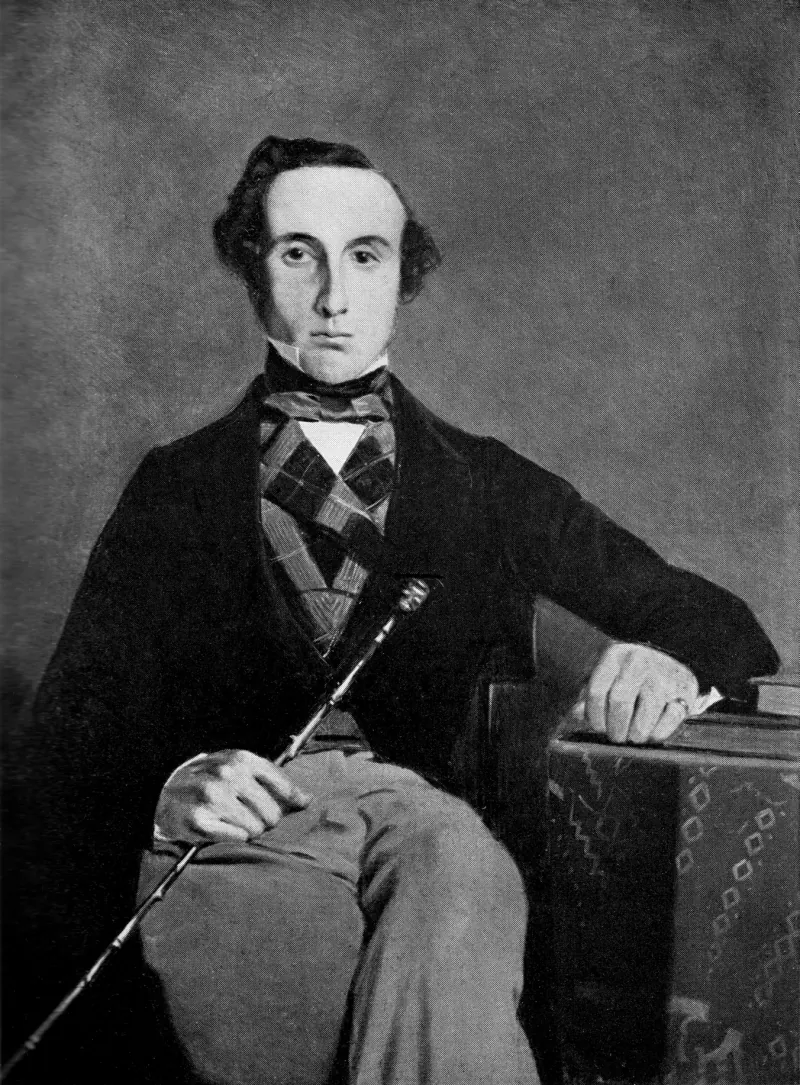
Who he was
Alfred Dolman was born on Clapham Common on 19 September 1827, the son of a London lawyer. His father thought seeing the world better than reading about it, and at sixteen Alfred sailed for the Cape in an East Indiaman. Over the next seven years he made five voyages there, met the travellers who had been into the interior, and taught himself what he would need: to shoot, to treat a fever, to fix a position and correct a map.
The journeys
In 1849, aged twenty-one, he bought a waggon and oxen at Cape Town and travelled more than fifteen hundred miles into the interior in seven months, with seven servants. On the way he met the missionary Robert Moffat of Kuruman and his daughter Mary, David Livingstone’s wife. His journal of that journey records river crossings, hunts, the Boer farms he stayed on and the people he met, and its pages are full of pencil and pen drawings; he filled in places missing from his map as he went.
In 1850 he set out again, this time to explore. He crossed Namaqualand, returned to Cape Town, and in 1851 went north to Lake Ngami, which Livingstone, Oswell and Murray had reached two years before. Leaving the lake in October, he made for Livingstone’s mission at Kolobeng, meaning to join him.
How it ended
On 27 December 1851, with his oxen strayed in a storm and Kolobeng less than thirty miles off, he set out on foot with two servants. His remains, and those of one servant, were found fifteen miles from the mission; the country was full of lions, and what happened was never established. The journal of his last journey was never found.
The journals
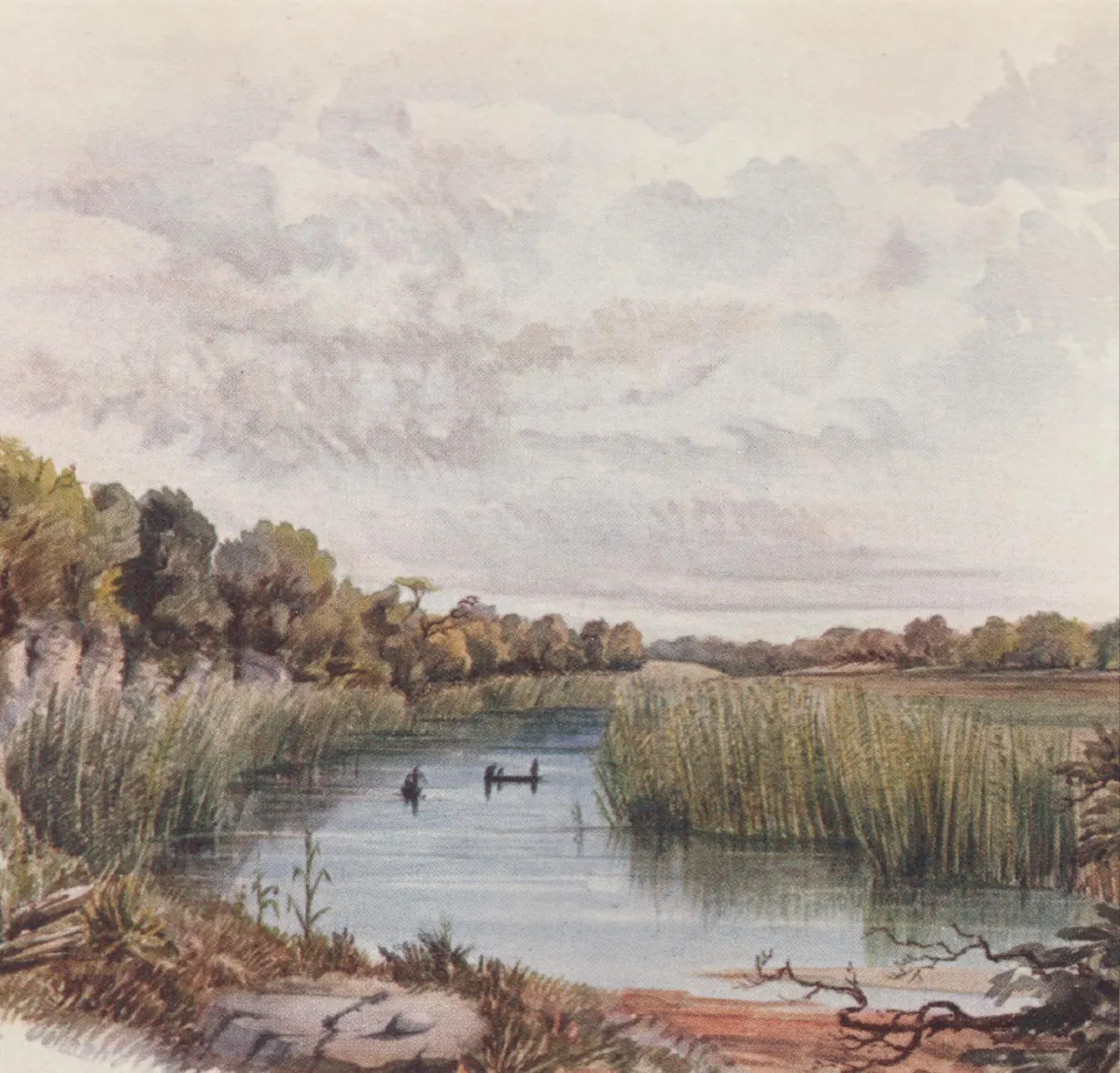
His earlier journals and drawings went home to his brother Frederick in Devon, who kept them for his family rather than reopen the loss. They came down through the family: his last known sketch, a river scene made six weeks before his death, belonged to his niece, Mrs C. Newington. The journals were first published in 1924, and have been hard to find for many years.
This edition
- The journals set afresh in clean type, as he wrote them.
- Every surviving sketch and watercolour from the journals, placed with the passages they belong to.
- Maps of the routes, and short notes on the people and places he names.
- A new introduction. He wrote as a young Englishman at the Cape in the 1840s, and some of his words and opinions are those of his time; we keep them as written and explain them, rather than cut them.
Hardback, paperback and ebook, published by Newington Press. Write to us and we will tell you when it is published.
Have a family’s journals or letters like these? Tell us about them.